By Wayne Hunter • 15 Oct, 2026
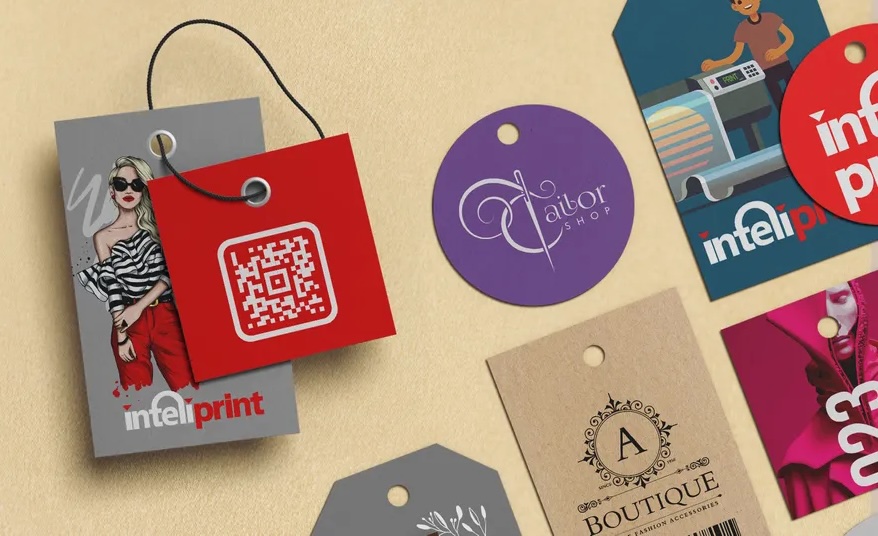
Picture a shopper in your store holding one of your products. They’ve picked it up, turned it over, and now they’re reading the tag to check the price. That’s the moment they decide whether it goes in the basket or back on the rack — and your custom swing tag is the only thing talking to them.
Most brands use that moment to say two things: who they are and what it costs. That’s a missed opportunity. Custom swing tags have two sides, plenty of room and a captive reader. Here’s what else you can put on yours to help close the sale, build loyalty and make your products stand out.
1. The Story Behind the Product
People buy stories as much as they buy products. A line or two about where something was made, who made it or why it exists gives shoppers a reason to choose you over the cheaper option next to it.
Example: A Byron Bay swimwear label might print “Designed and cut in our Northern Rivers studio” on the back of every tag. A handmade candle brand could add “Hand-poured in small batches of 40.”
2. Care Instructions
Care details are often buried on a sewn-in label that nobody reads until something shrinks. Putting simple wash and care tips on the tag shows you care about the product lasting — and cuts down on returns and unhappy reviews.
This works well beyond fashion. Think timber chopping boards (“Oil monthly, never soak”), leather goods or indoor plants.
3. A QR Code That Goes Somewhere Useful
A QR code is one of the easiest ways to link a physical product to your online world. The key is sending people somewhere worth the scan, not just your homepage.
Try linking to a styling video, a size guide, a product care page, a review page, your Instagram or a reorder page. A skincare brand could link to a 30-second “how to apply” clip; a homewares store could link to a lookbook showing the product styled in a real home.
4. Materials and Sustainability Credentials
Shoppers are reading labels more closely than ever. If your product uses organic cotton, recycled materials or Australian-grown ingredients, say so on the tag — where buyers can see it before they pay. Use accreditation logos where possible.
Pair the message with a recycled or uncoated stock and the tag backs up the claim. Keep it honest — vague “eco” claims can do more harm than good.
5. A Thank-You Note
A short “Thank you for shopping small” or “Made with love for you” turns a price tag into a personal touch. It costs nothing extra to print and it’s the kind of detail people remember — and photograph for social media.
6. A Discount or Loyalty Offer
Give customers a reason to come back. A tag that reads “10% off your next order with code TAG10” turns a one-off purchase into a repeat one, and it’s easy to track which tags are driving sales.
Example: A boutique could print a unique code for each season’s collection and see exactly how many shoppers return.
7. Your Social Handles and a Hashtag
Invite customers to share their purchase. A simple “Show us how you style it @yourbrand #YourBrandStyle” builds a library of user-generated content you can repost — and gets your brand in front of their followers.
8. Sizing and Fit Tips
For clothing and footwear, fit questions cause hesitation and returns. A quick note like “Runs small — we recommend sizing up” or “Model is 175cm and wears a size 8” answers the question before it’s asked.
9. Product Details and Variant Info
Colour names, scent notes, collection names, SKUs or batch numbers all help customers — and your staff — find exactly what they’re after. A gift store could list a candle’s scent profile (“Top: lime. Heart: basil. Base: cedar”) so shoppers can choose without opening every jar.
10. A Gift Message Space
Selling gift-worthy products? Leave a small blank section on the back with “To:” and “From:” lines. It turns your swing tag into a gift tag, saves the customer buying a card, and makes your product an easy pick for presents — especially in the lead-up to Christmas, Mother’s Day and Father’s Day.
How Do I Get the Print Right on a Custom Swing Tag?
Great content needs the right tag to sit on. A few things to consider before you order:
- Use both sides. Keep the front clean with your logo and branding; save the back for price, care instructions, QR code and offers. Double-sided printing makes all ten ideas above possible on a single tag.
- Pick a stock that matches your brand. A heavier 350–400gsm stock feels sturdy and premium in the hand. Uncoated or recycled stocks suit natural, handmade and eco brands. Satin or gloss stock makes colours pop for bold fashion labels.
- Add a finish. Matt, gloss or velvet celloglaze protects your tags from handling and adds a tactile feel. Velvet is a favourite for boutique and beauty brands — soft to the touch and looks luxe.
- Get creative with shape. A rectangle is classic, but a scalloped circle, heart, hexagon or teardrop can make your tags instantly recognisable. A kids’ clothing brand might choose a cloud shape; a florist could go with a teardrop.
- Don’t overcrowd it. Pick three or four ideas that matter most for your product. A tag with clear hierarchy and white space will always outperform one crammed with text.
- Set up your artwork properly. Supply a print-ready PDF in CMYK with 3mm bleed and images at 300dpi to avoid blurry logos or white edges.
Inteliprint’s custom swing tags come in a huge range of shapes and sizes — from 25mm minis up to A5 — with coated, uncoated and specialty stocks, and a pre-cut hole ready for string or ribbon. Turnaround is 5 business days from approved artwork.
Want your branding to carry through the whole customer experience? Match your tags with product labels, custom packaging and business cards for a polished, consistent look from shelf to unboxing.
Ready to Order Custom Swing Tags?
Explore the full range of custom swing tags on the Inteliprint website. Need help with artwork, sizing or a bulk quote? Get in touch with our team.
